Personal review
Tria FRX review diary: I just bought the laser—and I’m excited to start
My Tria FRX has just arrived, so this is the beginning of my review—not a results post. I’m excited to track texture, fine lines, and uneven tone for two months while using my Dr. Renú SpectraLift LED mask as part of the post-treatment routine recommended by my dermatologist.
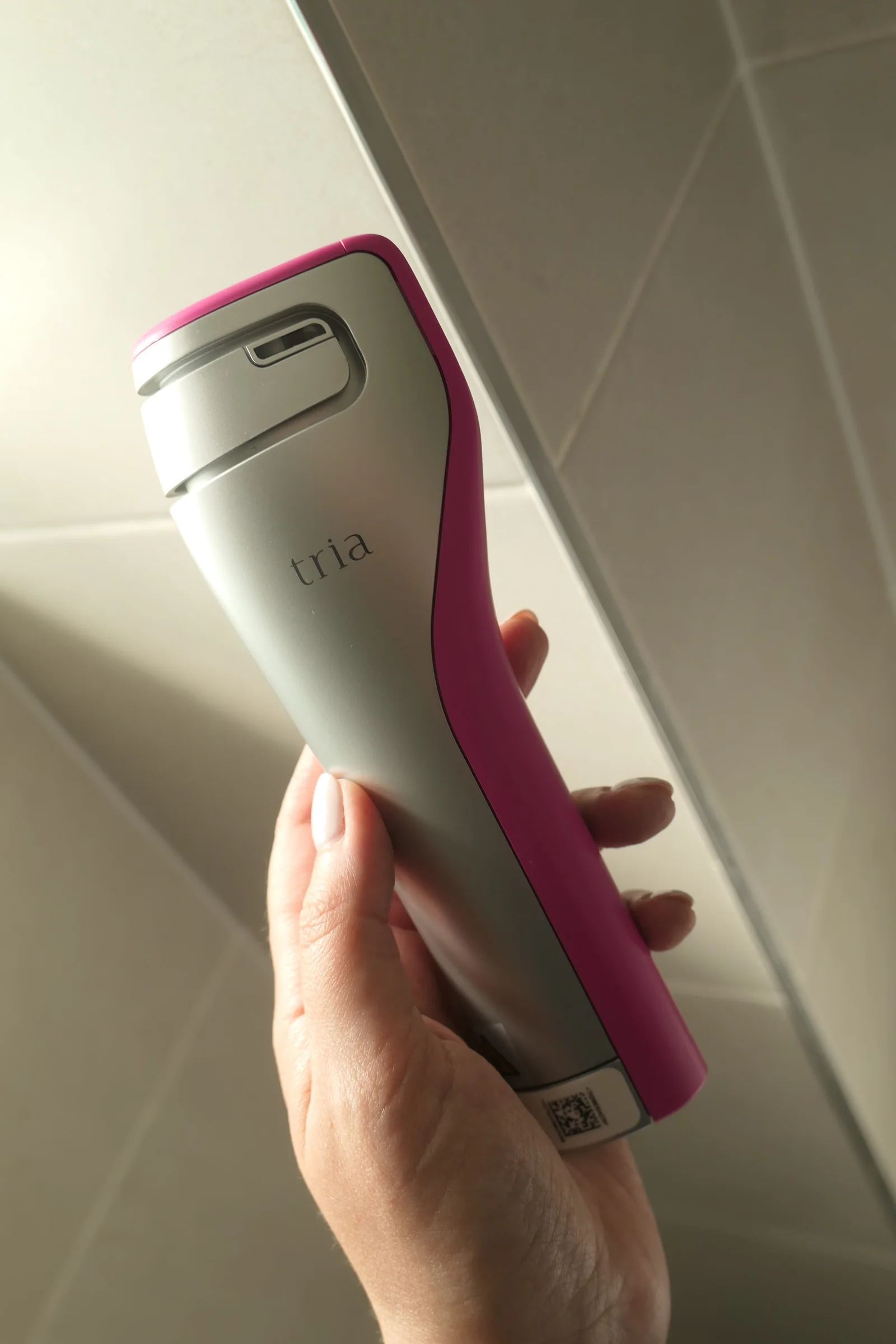
Why I bought the Tria FRX
I finally bought the Tria FRX after spending far too long looking at other people’s progress photos. It uses a 1440 nm non-ablative fractional diode laser. Instead of removing the surface of the skin, it creates fractional treatment zones below it, which is why consistency—and respecting recovery—is more important than trying to do too much at once.
The current Tria guide describes three intensity levels and a four-zone face routine. It says to begin with a sensitivity test, use the device only on clean, dry skin, and complete a course five days a week for 12 weeks. I’ll share an interim update after two months, then add a final note after the full course if my skin remains comfortable.
I’m most curious about fine lines around my eyes, rough texture, and uneven-looking tone. I have taken baseline photos in consistent light so that I can compare like with like instead of relying on memory.
My dermatologist recommended adding my Dr. Renú LED mask to my post-treatment routine, so I plan to keep using it on the schedule they advised. Red and near-infrared photobiomodulation have been studied in relation to skin repair and collagen-related processes. That makes the recommendation understandable to me, but it still does not prove that an LED mask will speed recovery from Tria or make the laser work better for everyone.
The LED device I’ll be using is the Dr. Renú SpectraLift Advanced LED face mask.
I have already used it for two months; you can read my full Dr. Renú SpectraLift LED mask review for the results I noticed before adding the Tria FRX.
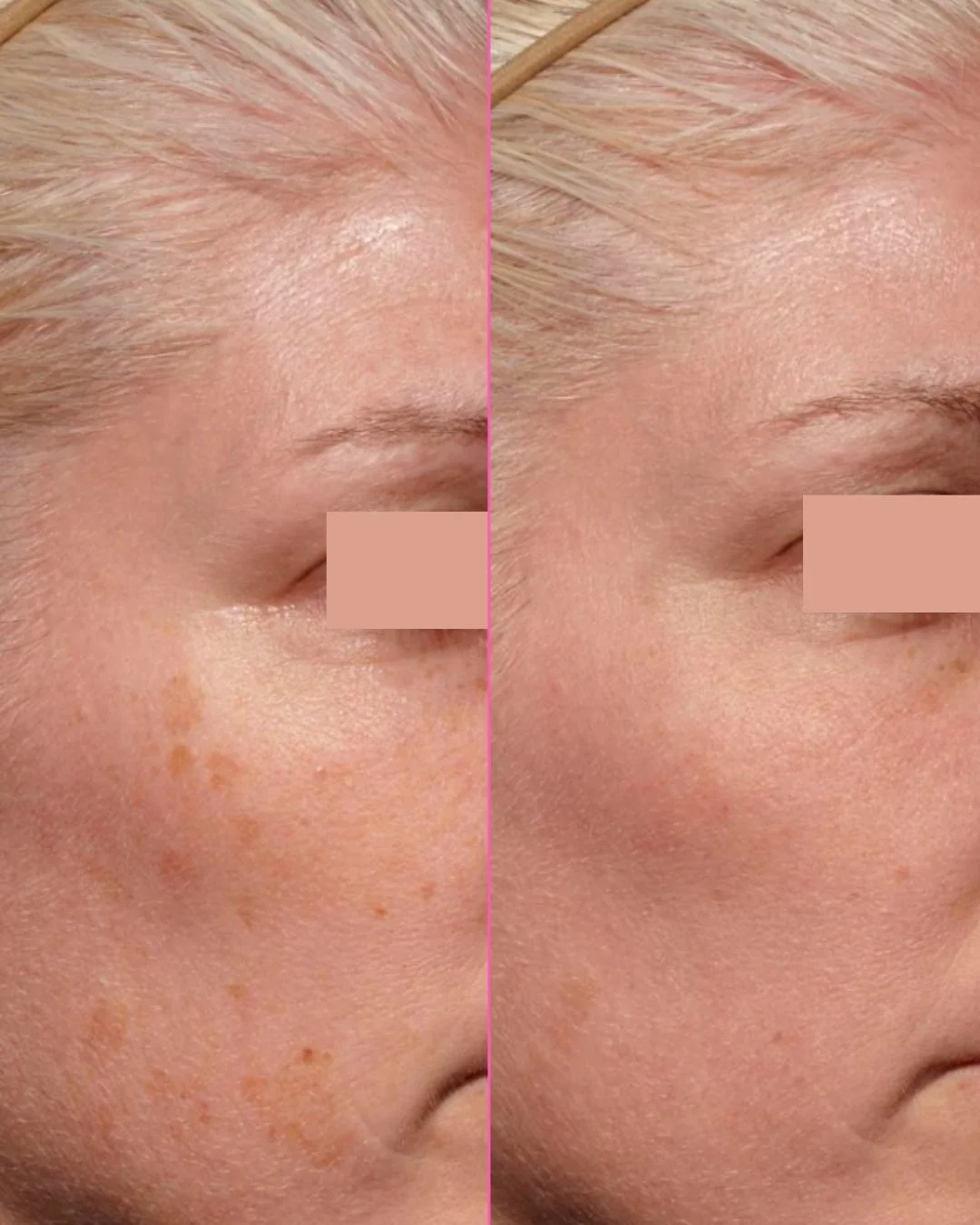
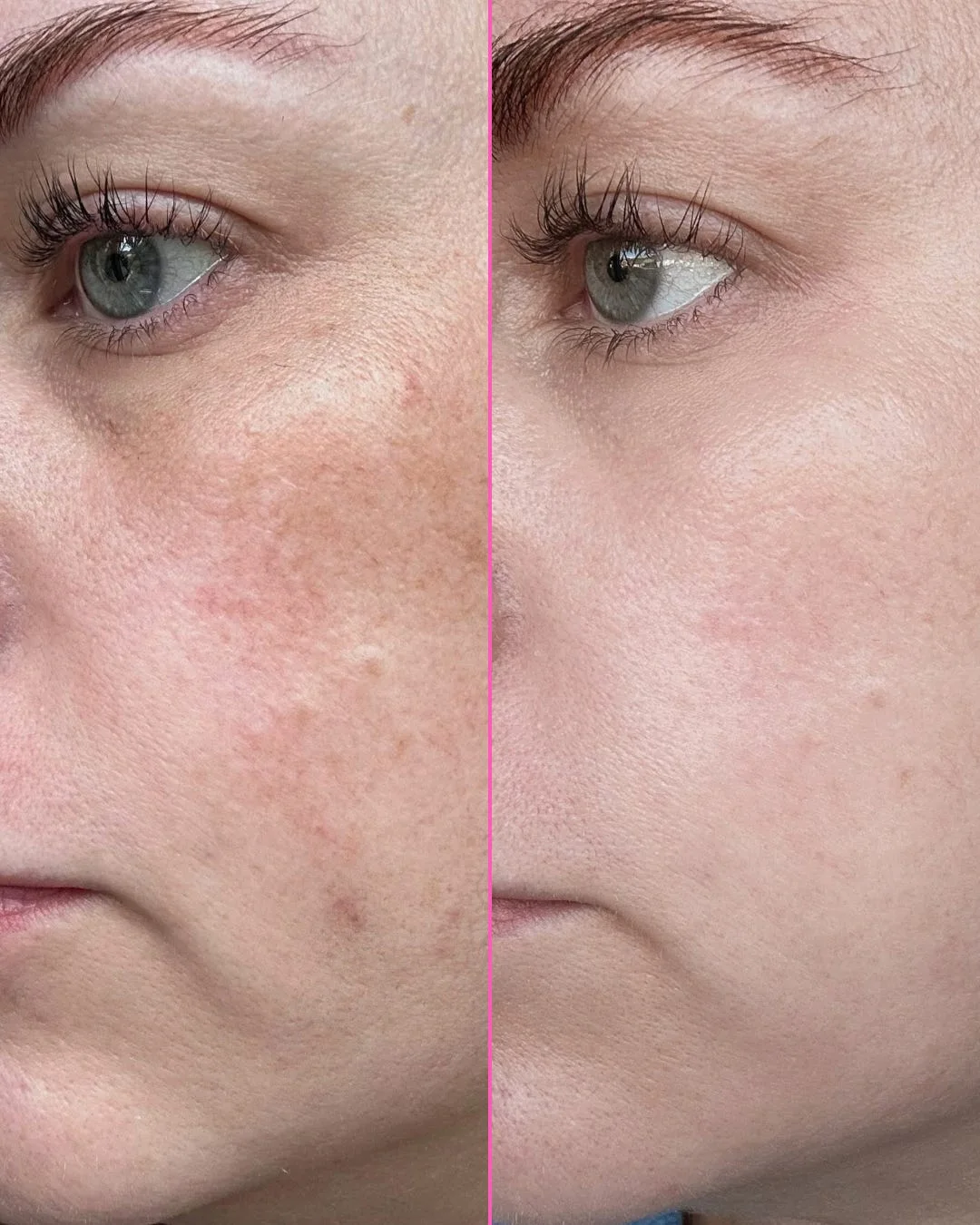
The online before-and-afters that made me curious
These examples show the kind of changes I would love to see in texture and uneven-looking tone. They are third-party images, not Elena’s results, and should not be read as typical or guaranteed outcomes.
The SpectraLift specs in my routine
- 280 LEDs in a cordless 300 g mask
- Four wavelength families: 630–660 nm red, 850 nm near-infrared, 465 nm blue, and 530 nm green
- Nine light modes, including a red and near-infrared combination
- Published light output up to 50 mW/cm²
- Ten-minute sessions with a 2000 mAh battery, USB-C charging, and 100–120 minutes of listed cordless use
- The manufacturer lists FDA 510(k) clearance, CE marking, ISO 13485 manufacturing, IEC 60601/62471, and ISO 10993 testing
What I’m hoping to change
This diary is for anyone considering an at-home fractional laser who wants to see a real baseline, a consistent photo setup, and an honest update before deciding whether the routine is worth the effort.
Worth knowing: The before-and-after photographs below are examples I found online, not my results. I cannot independently verify their treatment routine, timing, lighting, or editing, so I am treating them as inspiration rather than evidence or a promise of what my skin will do.
My two-month test plan
I’ll follow the Tria manual, start conservatively, use daily broad-spectrum sunscreen, and avoid another laser treatment while my skin is still significantly red or swollen. I’ll use SpectraLift as post-treatment care on the timing recommended by my dermatologist rather than assuming the same schedule is right for everyone. If irritation persists or worsens, I’ll stop and check back with them.
Frequently asked questions
Is this already a full Tria FRX review?
No. I have just bought the device. This page documents my starting point and plan; I will add my first results update after two months.
How often does the Tria FRX manual say to use it?
The current guide says five days a week for 12 weeks, with at least 24 hours before treating the same zone again. Follow the manual supplied with your own device because models and instructions can change.
Can I use a red-light mask immediately after the Tria FRX?
My dermatologist recommended SpectraLift as part of my own post-treatment routine. That is personal guidance, not a universal protocol. Follow both device manuals and ask a qualified clinician about timing for your skin—especially if it remains red, swollen, painful, or irritated.
Does red light build collagen?
Some controlled research on red and near-infrared photobiomodulation reports improvements in skin appearance and measured collagen density. Results depend on wavelength, dose, device, and protocol, and that evidence does not guarantee a personal result or prove that LED improves Tria outcomes.
Sources
Sources checked 14 September 2026:
- Tria FRX user guide and manual
- Dr. Renú SpectraLift Advanced product specifications
- Controlled study of red and near-infrared light and intradermal collagen density
- 2026 systematic review of near-infrared light and wound healing
This article combines Elena’s personal experience with published product information. Product details can change; follow the instructions supplied with your product.