Personal review
The Ordinary Volufiline review diary: is it the serum—or my red-light mask?
I have started a three-month test of The Ordinary Volufiline 92% + Pal-Isoleucine 1%. My skin already looks a little plumper, but I cannot honestly credit the serum yet because I have also been consistent with my Dr. Renú red-light mask.
Why I started this three-month test
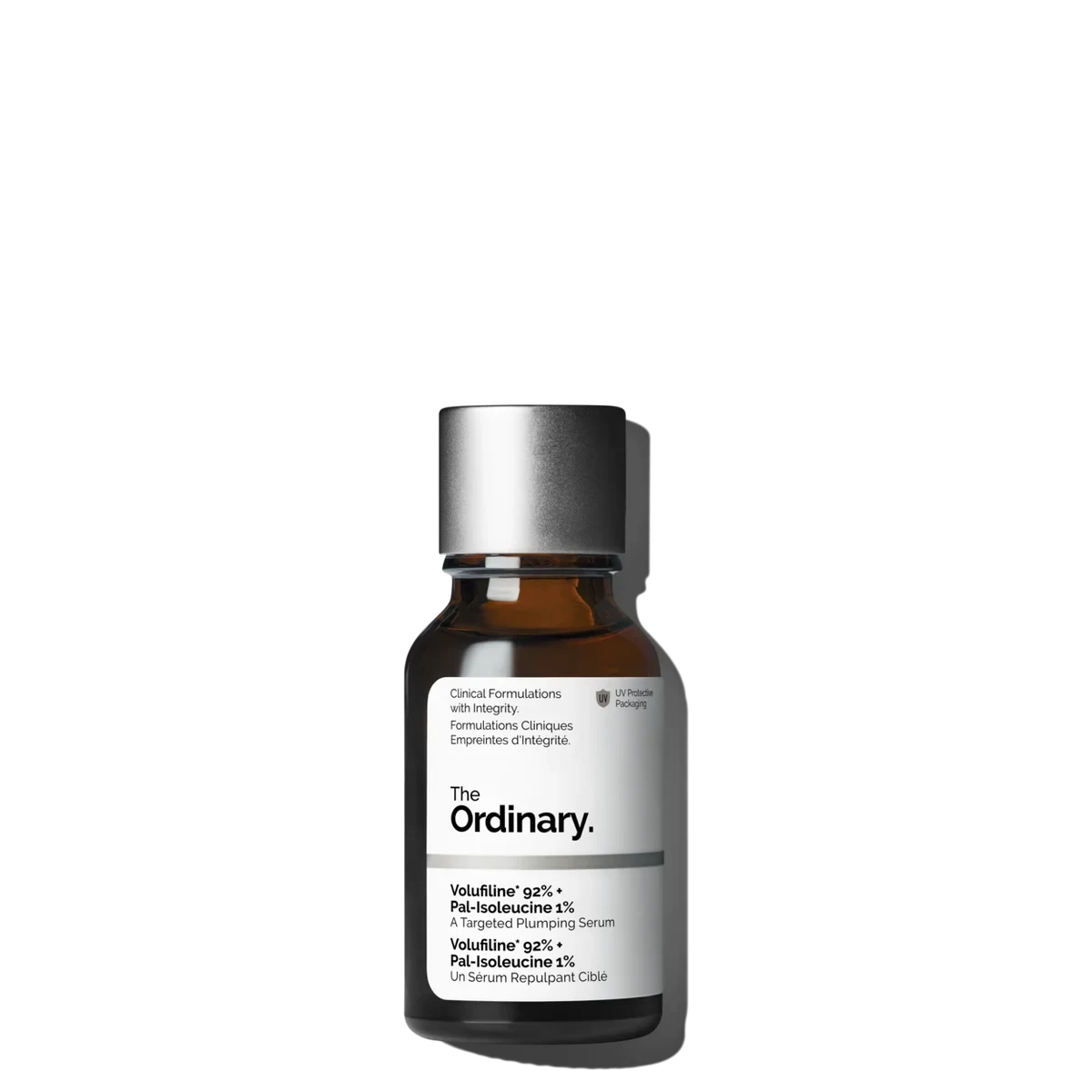
Volufiline has been everywhere in beauty conversations, usually with much bigger claims than I am comfortable repeating. The Ordinary’s version is a 15 mL, water-free targeted serum with 92% Volufiline and 1% palmitoyl isoleucine. The brand positions it for areas that look hollow or have lost visible volume, including the temples, under-eye area, cheeks, and smile lines.
I have started using it because I want to see whether it creates a subtle, believable change in how full and smooth my skin looks. I am already noticing some plumping, especially through the cheek area—but this is exactly where a skincare diary can become misleading if I pretend one product exists in isolation.
At the same time, I have been very consistent with red and near-infrared LED light. Photobiomodulation has research around skin appearance and collagen-related processes, so the change I see could be from the mask, the serum, ordinary hydration, lighting, or a combination of all four.
That makes this a real-world routine test rather than a controlled experiment. I am keeping the rest of my routine stable and taking photographs in the same place, at the same time of day, with the same camera settings. Even then, I will be able to describe an association—not prove which product caused it.
The serum in this diary is The Ordinary Volufiline 92% + Pal-Isoleucine 1% plumping serum.
The LED device already in my routine is the Dr. Renú SpectraLift Advanced LED face mask.
For context on the changes I noticed before starting this serum, read my two-month Dr. Renú SpectraLift review.
What is actually in the bottle
- 92% Volufiline™, a Sederma trademarked cosmetic technology
- 1% palmitoyl isoleucine, which The Ordinary describes as a supporting lipoamino acid
- A 15 mL, anhydrous targeted-serum format
- The published formula is water-free, alcohol-free, oil-free, and silicone-free
- The brand directs users to shake well and apply as needed after moisturizer
- Designed for targeted use rather than as an injectable-filler substitute
The question I’m trying to answer
I want to know whether the early plumping remains visible across consistent photographs after three months—and whether it looks meaningfully different from the baseline I already established while using red light.
Worth knowing: Because I am continuing SpectraLift, this diary cannot isolate Volufiline as the cause. A proper product test would change one variable at a time or use a split-face design. I chose routine continuity over experimental purity, so my conclusion will stay appropriately modest.
How I’m using and tracking it
I shake the bottle, use a small amount only on the target areas, and apply it after moisturizer as The Ordinary directs. I patch tested first and use it only on unbroken skin. If I develop redness, burning, itching, blistering, or persistent irritation, I will stop rather than trying to “push through.”
Frequently asked questions
Is Volufiline the reason my skin looks plumper?
I do not know yet. I am using Volufiline while continuing red and near-infrared LED sessions, so either product, hydration, normal variation, or the combination could explain the change I see.
Is The Ordinary Volufiline a topical filler?
No. It is a cosmetic serum intended to improve the appearance of plumpness and visible volume. It cannot be assumed to reproduce the placement, magnitude, or persistence of an injectable filler.
How does The Ordinary say to use the serum?
Shake well, then apply as needed after moisturizer to clean, dry target areas. The brand advises patch testing, using it only on unbroken skin, and stopping if irritation occurs.
How will I judge the result after three months?
I will compare baseline and three-month photographs taken under matched conditions and look for repeatable changes in visible fullness and fine lines. I will not claim that the serum caused the result because red light remained in the routine.
Sources
Sources checked 14 September 2026:
- The Ordinary Volufiline 92% + Pal-Isoleucine 1% product page
- Dr. Renú SpectraLift Advanced product specifications
- Controlled study of red and near-infrared light and intradermal collagen density
This article combines Elena’s personal experience with published product information. Product details can change; follow the instructions supplied with your product.